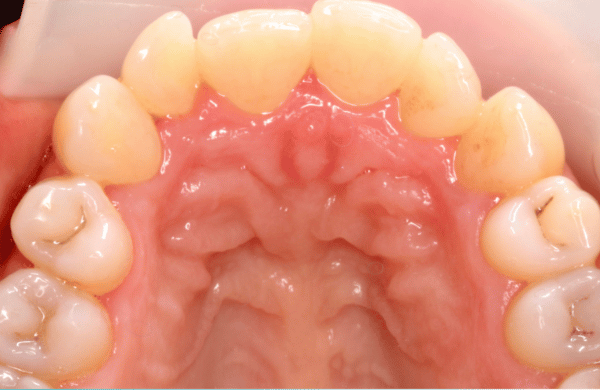
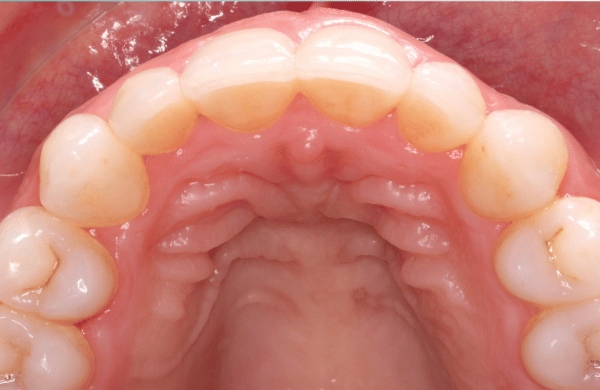
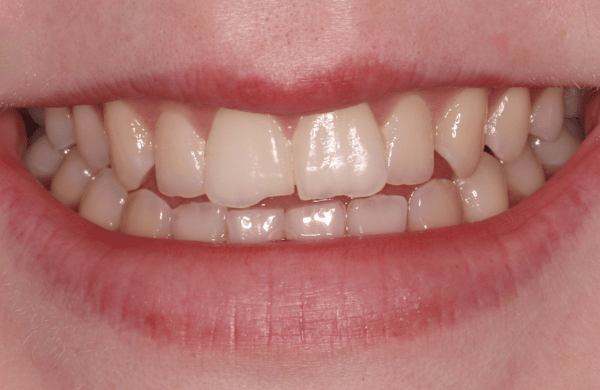
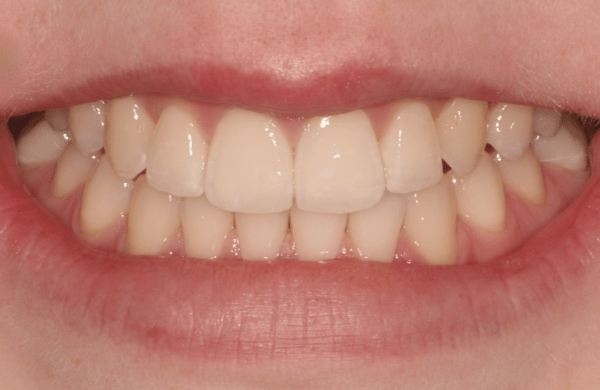
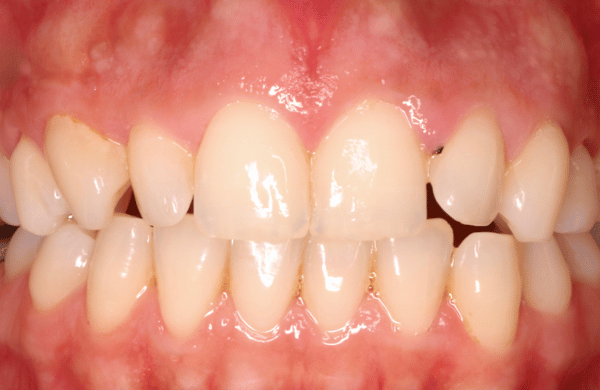
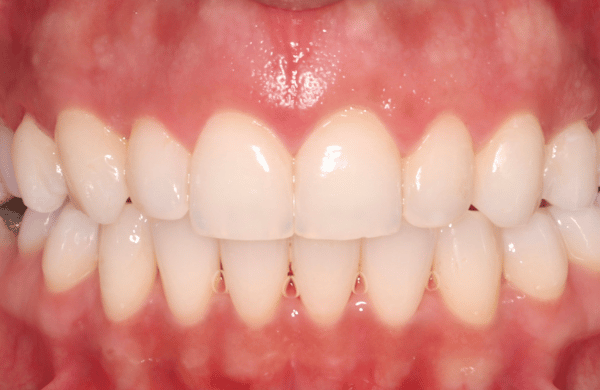
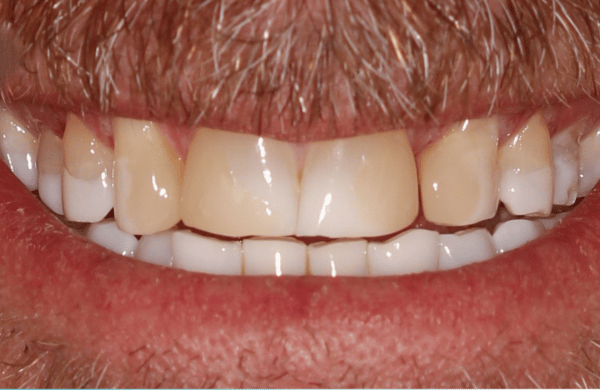
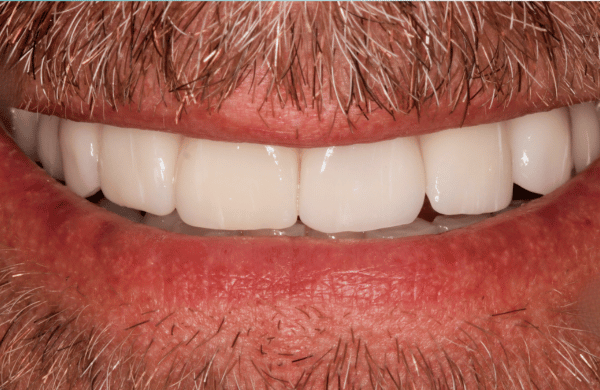
Treatment typically lasts 4-18 months, depending on your case. You’ll receive a personalised timeline at your consultation.
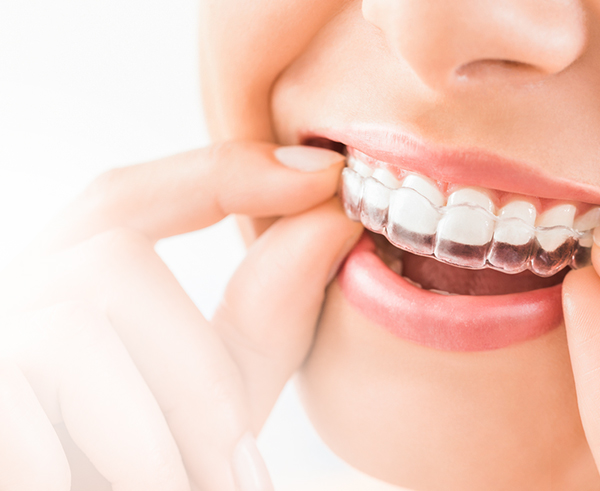
With Invisalign® clear aligners, it’s possible. Invisalign® remains the leading clear aligner system worldwide, trusted by dentists for its effectiveness and discreet approach to teeth straightening. If you’re looking for an easy way to achieve a natural-looking smile with not a single metal component in sight, Invisalign® has your name written all over it.
Invisalign® is the practically invisible teeth straightening system that everyone’s been talking about for the last 20+ years. It remains the leading brand in clear aligner technology. Simply put, it’s the best, and we only want the best for our patients.
Step 1: Planning your unique case
Once you have been medically assessed and deemed suited to Invisalign®, your dentist can get started with the exciting part – planning how to deliver the beautiful results you’re looking for.
Our iTero scanner captures digital scans to make your set of Invisalign® aligners. Each one is worn for 1 week, and the next in the sequence takes over from where the previous one left off, moving your teeth into their new position, bit by bit.
Step 2: Straightening your smile
You’re ready to go! Start wearing your aligners for 20-22 hours a day, switching them over every week. Your dentist will let you know how often to come in for check-ups (generally every 6-8 weeks).
Step 3: Keeping your teeth in place for life
Your teeth will now look just as expected, in their new, beautiful, straight position. You will just need to wear a retainer at night to keep them in place.
In Person Consultation

World-class customer service
Free initial consultation
Teeth whitening worth £350, included for free
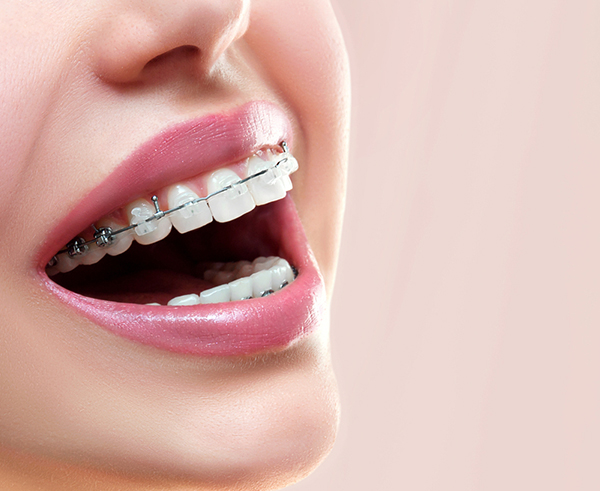
Beautiful teeth in as little as three months, using safe cosmetic braces
Why wait? Interest free finance available
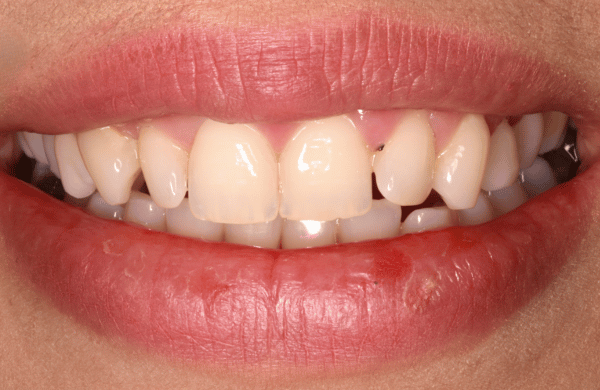
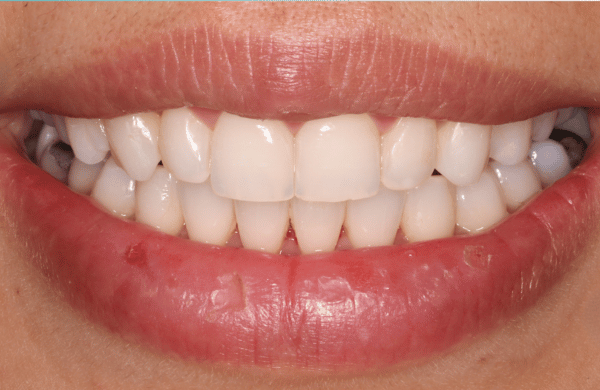
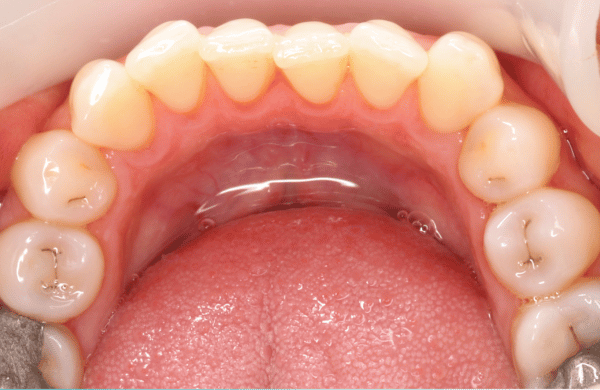
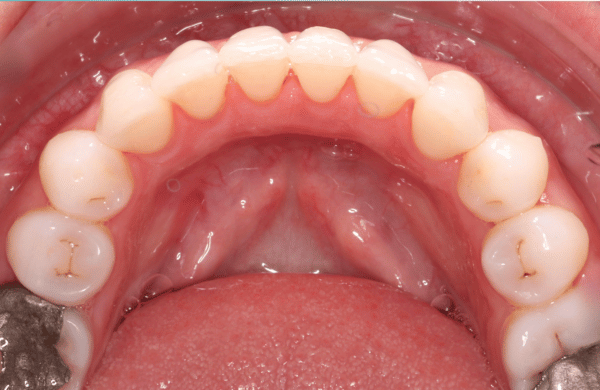
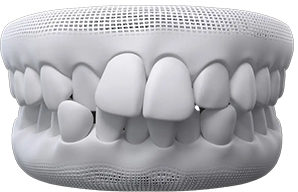
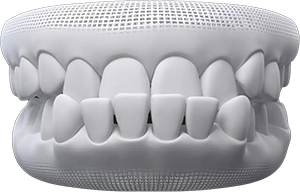
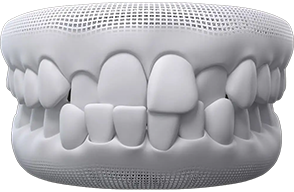
Crowded teeth are a condition where you do not have enough room for your teeth to fit normally. This can cause plaque, tartar, and harmful bacteria to build up because it is harder for you to brush and floss effectively.

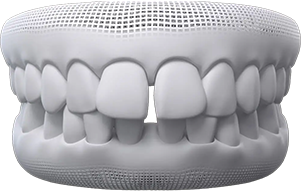
Gaps between teeth occur when there is extra space between two or more of your teeth. This can cause pockets between your teeth and gums, and food to get stuck, making them tender and sore. This might also lead to gum disease.
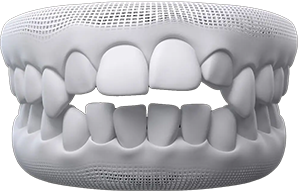
An open bite is when your upper and lower teeth don't touch when you close your mouth. An open bite can make it hard for you to chew or difficult to bite even the most common of foods like apples.
An underbite is when you close your mouth, and your lower front teeth are in front of your upper teeth. In many cases, this is actually a problem with your lower jaw being too far forward. An underbite can make it hard to chew properly and speak clearly, and it might cause your teeth to wear down more quickly.
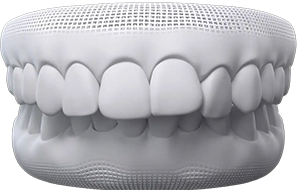
An overbite is when your upper front teeth overlap with your lower front teeth. Most people have at least a little overbite. When your overbite is too large, your doctor might tell you you have a deep bite. This can cause problems, from your teeth wearing down to pain in your jaw.
A crossbite is when you close your mouth, and yet some of your upper teeth sit inside your lower teeth rather than on the outside. A crossbite can make your teeth wear down or chip. It can also make your gums start to recede or make little notches above your gum line. This kind of damage can lead to painful gum problems or even bone loss.
Many people worry about the cost of Invisalign braces, and so we have devised a number of payment plans to help you afford the right treatment with Invisalign®.
Learn MoreTreatment typically lasts 4-18 months, depending on your case. You’ll receive a personalised timeline at your consultation.
You may feel slight pressure when switching to a new aligner, but discomfort is usually mild and temporary.
Yes — simply remove your aligners during meals, then brush before placing them back in.
In many cases, yes. We frequently treat patients who have previously been told they aren’t suitable.
Invisalign® isn’t permanent – unless you commit to wearing your retainer every evening. That said, as we get older, our teeth can shift so that you may need minor tweaks 10+ years after your Invisalign® treatment. Wearing your retainer is the best way to prevent your teeth from prematurely moving out of position.
The ideal candidate for Invisalign® is someone who: